
Your yard has more potential than you think. Here's how professional landscaping on Long Island turns outdoor space into real property value.

Long Island homeowners put serious money into their properties. But a lot of that investment stops at the front door. The yard gets the basics — maybe a mow, maybe some mulch — and the potential just sits there, unrealized.
That’s not a small thing. In a market where Nassau County median home prices regularly push past $650,000, the outdoor space is either working for you or it isn’t. Professional landscaping services can add 5 to 12 percent to a home’s perceived value. On a $650,000 property, that’s real money. Here’s what it actually takes to get there — and what to look for when you’re ready to move forward.
“Landscaping” means different things to different people. To some, it’s planting flowers and keeping the lawn green. To others, it’s a full transformation — new hardscape, corrected drainage, thoughtful planting design, and a yard that finally functions the way it should.
The full scope of professional landscaping services covers both ends of that spectrum and everything in between. Design and planning, lawn installation, hardscape construction, grading and drainage corrections, planting, outdoor living spaces, and ongoing seasonal maintenance are all part of what a complete landscape project can involve. The question isn’t which service you need — it’s understanding how they work together.
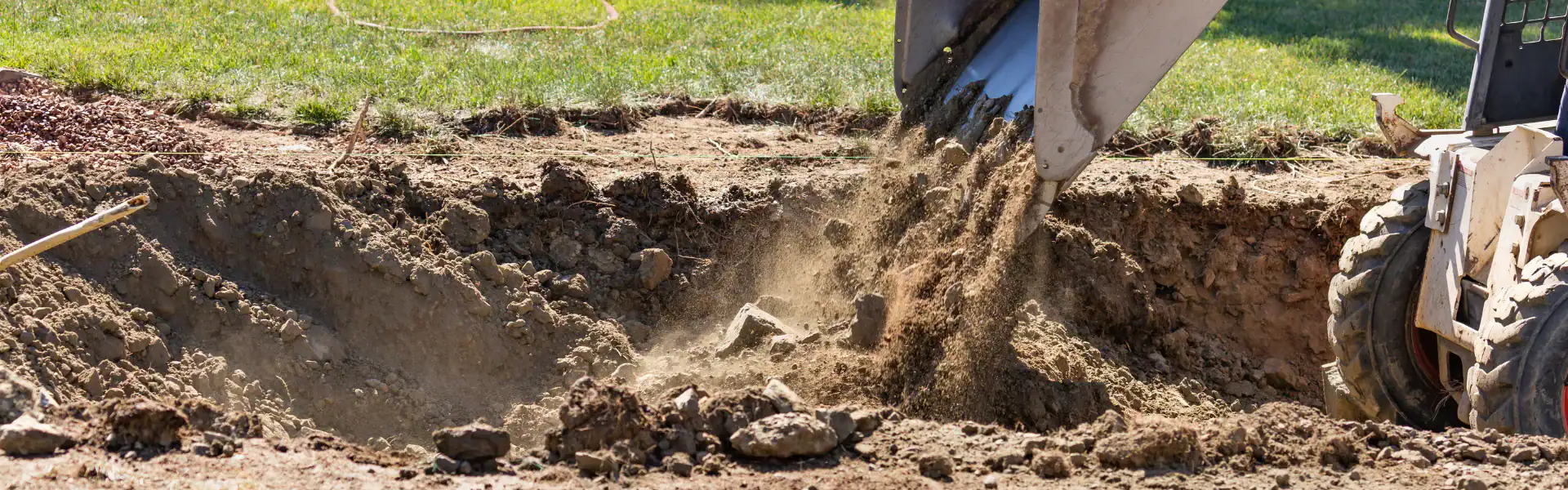
A lot of landscape projects fail not because the work was done poorly, but because the thinking came after the doing. Shrubs get planted before drainage is addressed. A patio gets built without accounting for how water moves across the property. The lawn gets installed on soil that was never properly graded. And then, a season or two later, things start going wrong.
Good landscape design starts with a site assessment — not a sales pitch. That means evaluating how water drains across your property, understanding your soil conditions, mapping sun and shade patterns, and identifying any grading issues before a single plant goes in the ground. On Long Island’s North Shore, where clay-heavy soils in communities like Oyster Bay, Glen Cove, and Locust Valley drain poorly and compact easily, skipping this step is how projects end up with soggy lawns and standing water after every rain.
From there, design is about making choices that hold up over time. Plant selections need to be appropriate for Long Island’s hardiness zones — 6b to 7a — and for the specific microclimate of your property. Coastal properties near the Sound or the South Shore deal with salt air exposure that rules out a lot of otherwise attractive plant species. Properties with mature tree canopy have shade and root competition that changes everything about what will actually thrive.
The design phase is also where hardscape and softscape get planned together, rather than treated as separate projects. A well-designed patio integrates drainage so runoff doesn’t pool at the edges. A planting plan accounts for how beds will look in three years, not just at installation. When these elements are designed as a system, the result looks intentional — because it is.
Patios, walkways, retaining walls, steps, outdoor kitchens, fire features — these are the elements that turn a yard into a space people actually use. And in the post-pandemic Long Island market, the demand for functional outdoor living has changed what buyers expect when they walk a property.
Real estate agents across Nassau and Suffolk County now regularly hear buyers ask about outdoor entertaining space before they’ve even walked through the front door. A well-built patio with a fire feature or outdoor kitchen isn’t a luxury add-on anymore — it’s a functional room that extends the livable square footage of the home. Buyers are paying for it, and sellers who have it are seeing the difference.
But hardscape construction done right is more involved than most homeowners realize. A paver patio that lasts decades starts with six to eight inches of compacted gravel base, precise grading for drainage, and edge restraints that hold the system together through Long Island’s freeze-thaw cycles. Cut corners on the base, and the surface looks fine for a year or two — then the settling starts. We follow ICPI installation standards to produce work that holds up. Contractors who don’t are easy to identify a few seasons later.
Retaining walls carry the same principle. A wall that’s holding back soil and managing grade changes needs to be engineered for the load it’s bearing, with proper batter, drainage behind the wall, and appropriate base depth. A decorative wall and a structural wall are not the same thing, and treating them the same way is how walls fail.
When we plan an outdoor living space, the goal is always to make it feel like it belongs — to the architecture of the house, the scale of the property, and the way you actually want to use it. That’s a different conversation than picking pavers from a catalog.
Want live answers?
Connect with a Gold Coast Landworks expert for fast, friendly support.
The ROI case for professional landscaping is well-documented. A Virginia Tech study found that high-quality landscaping increases perceived home value by 5.5 to 12.7 percent compared to a property with minimal or no landscaping. The National Association of Realtors reports that 97 percent of agents believe curb appeal matters to buyers, and 92 percent recommend improving it before listing.
On Long Island, those numbers carry extra weight. When a $700,000 home in Garden City or Huntington gains even five percent in perceived value from professional landscaping, that’s $35,000. That’s not a marketing estimate — it’s a documented outcome from a competitive real estate market where buyers have options and first impressions drive decisions.

Seven out of ten homes already have a drainage problem that a qualified landscaper can identify and correct. On Long Island, that number feels conservative. The North Shore’s clay-heavy soils don’t absorb water quickly. Many lots were graded decades ago without modern drainage considerations. And properties near the water — whether that’s the Sound, the bay, or any of Long Island’s numerous tidal inlets — deal with high water tables that compound the problem.
The result is familiar to a lot of homeowners: water that pools in the backyard after a rainstorm, lawn areas that stay soggy for days, erosion along slopes, or worse — water migrating toward the foundation. Most people have tried to fix it at some point. A load of topsoil here, some regrading there. It helps temporarily, or not at all.
Drainage solutions that actually work address the problem at the source. That might mean regrading the property to direct water away from problem areas and toward appropriate outlets. It might mean installing a French drain or a dry well to capture and redirect subsurface water. For properties near waterways in Suffolk County, it means working within the pesticide-free buffer zones and fertilizer restrictions under New York State’s ECL §17-2101 — regulations that affect what lawn care programs are legally permitted and that not every landscaper is equipped to navigate.
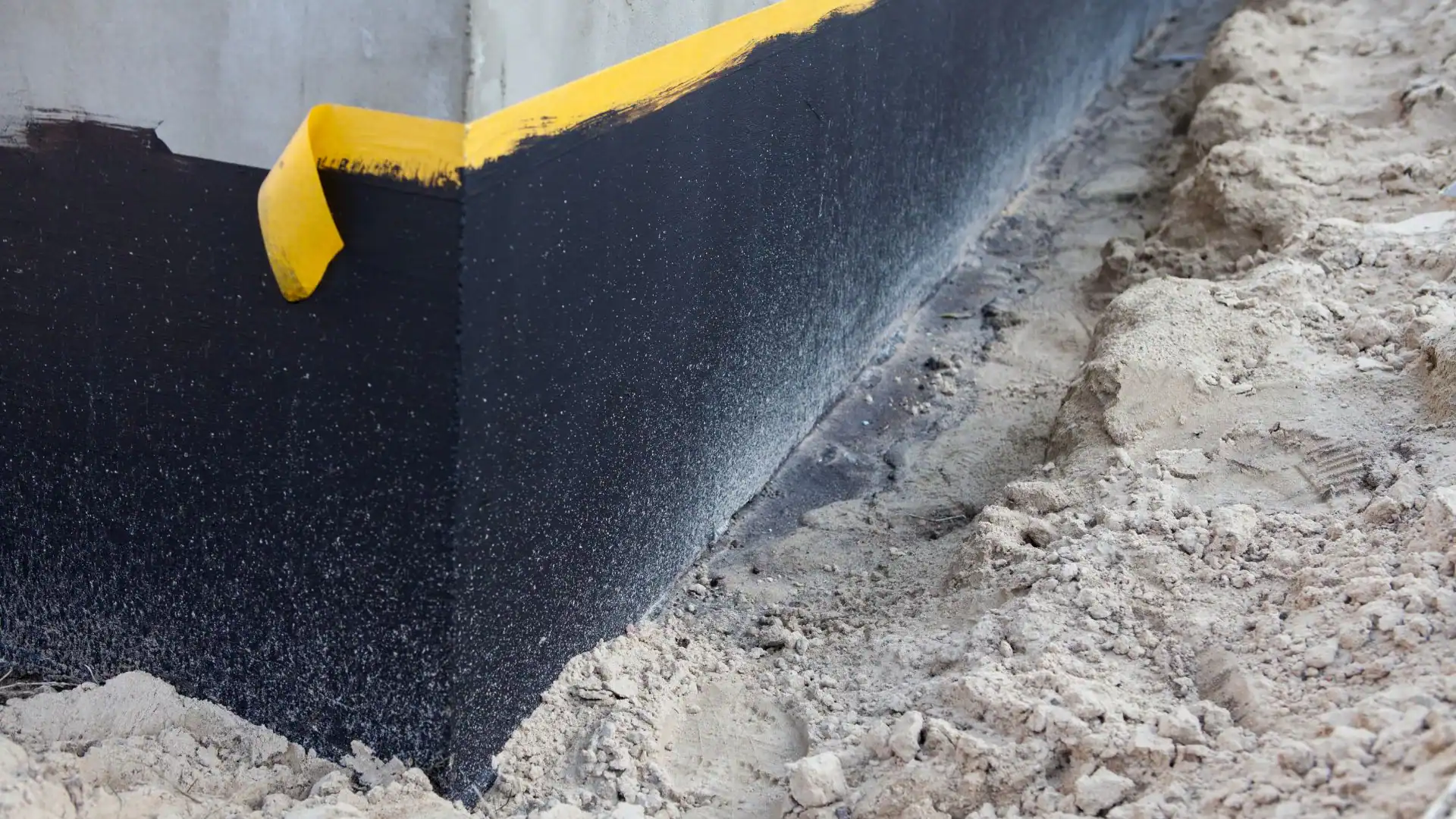
When drainage is corrected as part of a broader landscape project — not patched as an afterthought — the results hold. The lawn establishes properly. The hardscape doesn’t shift. The planting beds don’t drown. Getting the grading and drainage right first is what makes everything else work.
The installation is the beginning, not the end. Long Island’s climate — hot, humid summers, cold winters, and roughly 47 inches of rain a year — is hard on landscapes that aren’t actively maintained. A beautiful planting installation in May looks very different by October if no one has been managing it.
Seasonal maintenance is what protects the investment. Spring cleanups clear out winter debris, refresh mulch, and prepare beds for the growing season. Summer care includes monitoring for pest and disease pressure, managing irrigation during drought stress, and keeping plantings healthy through the heat. Fall cleanups remove leaf accumulation, cut back perennials, and prepare the property for winter. Aeration and overseeding in fall is one of the most effective things you can do for a Long Island lawn — it addresses compaction, thickens turf, and sets the lawn up for a strong spring.
Ongoing maintenance also means someone is paying attention. A tree that’s showing signs of stress, a section of lawn that’s thinning, a retaining wall that’s starting to shift — these are things that get caught early when a crew is on the property regularly, and expensive when they’re not.
There’s also a compliance dimension that’s easy to overlook. Nassau and Suffolk County have specific regulations around fertilizer application near waterways, and commercial pesticide applications require NYSDEC certification under ECL Article 33. We understand and follow these rules — both for the health of your property and for staying on the right side of local environmental law.
A well-maintained landscape doesn’t just look good. It holds its value, performs the way it was designed to, and keeps the investment you made in the installation working year after year.
The yards that stop traffic in Oyster Bay, Old Westbury, and Huntington didn’t get that way by accident. They got that way because someone made a deliberate decision to treat the outdoor space as part of the property — not an afterthought.
Whether you’re dealing with a drainage problem that’s never been properly fixed, a backyard that has no real function, or a property you’re preparing to sell, the right landscaping approach addresses all of it in a way that holds up over time. Design, hardscape, drainage, planting, and maintenance working together — that’s what produces a result worth the investment.
If you’re ready to have a real conversation about what your property could look like, we’re here to help. Reach out directly and we’ll take it from there.
Summary:


Article details: